Structured physiotherapy for lumbar spinal stenosis — reducing lower back and leg pain, improving walking tolerance, and helping you return to daily activities comfortably without surgery.
Designed to reduce pain, restore mobility, and improve your quality of life — with a programme built around your specific condition and recovery goals.
As canal decompression is achieved through targeted exercises and posture correction, the numbness, tingling, and cramping in the legs associated with neurogenic claudication improve significantly.
Progressive walking and aerobic conditioning — combined with targeted core strengthening — improve the neuromuscular endurance needed to walk longer distances without pain.
Core and lumbar stabilisation exercises build a protective muscular structure around the narrowed spinal segment — reducing mechanical load and preventing progression.
Leaning forward on a walking frame or trolley opens the canal. We teach practical, functional posture strategies that allow you to walk further with greater comfort in daily life.
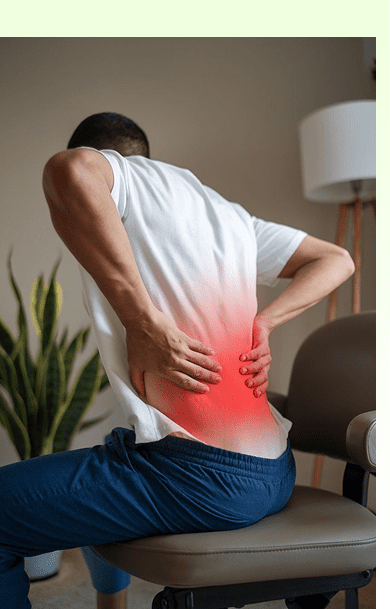
Lumbar spinal stenosis occurs when the spinal canal in the lower back narrows — compressing the spinal cord and nerve roots inside. This typically causes lower back pain, cramping or heaviness in the buttocks and legs that worsens with walking or standing (neurogenic claudication), leg numbness or tingling, and a characteristic relief when sitting or leaning forward. Many patients find themselves having to stop and sit during walks — something they could do without difficulty months earlier. Stenosis is most common in adults over 50 and is strongly linked to spinal degeneration, though it can also follow injury or disc herniation.
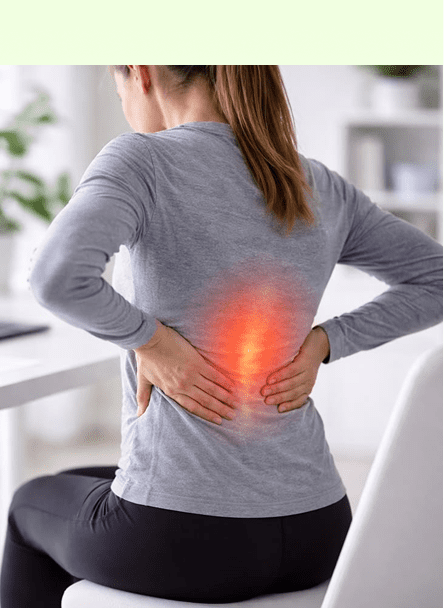
Our physiotherapy programme for lumbar spinal stenosis focuses on creating more space in the spinal canal through posture and movement — and building the muscular support that reduces compressive load on the narrowed canal. Treatment includes lumbar flexion-based exercises (which open the canal), core stabilisation, manual therapy for lumbar joint and soft tissue mobility, aquatic physiotherapy guidance, walking tolerance training, and ergonomic advice. Spinal extension activities that narrow the canal further are carefully managed.
Avoid Surgery with Physio
Walking Improvement
No Injection Needed
Every recovery journey is different.
Here is what our patients say about their experience at New Age Rehab.
Posted on GoogleTrustindex verifies that the original source of the review is Google. I had my shoulder treatment at New Age Home Physio with Dr. Junaid, and the experience was excellent. He carefully assessed my condition and created a personalized treatment plan. I noticed significant improvement in my pain and movement within a few sessions. Highly professional and highly recommended! The sessions were well-structured and very comfortable, and he patiently explained every step of the therapy. I truly appreciate the care and dedication shown throughout my recovery process.Posted on GoogleTrustindex verifies that the original source of the review is Google. Dr Sharma's team is very helpful and courteous. Thank you for your efforts to trying to get me going.🙏Posted on GoogleTrustindex verifies that the original source of the review is Google. I had a very good treatment at New Age Physiotherapy Centre, Uday Park. Dr. Junaid Ansari is an excellent physiotherapist—highly knowledgeable, well-behaved, and very professional. He is extremely caring and attentive towards his patients and explains the treatment clearly. I felt comfortable and satisfied throughout my sessions. His approach to patient care is truly commendable. I would highly recommend this centre to anyone looking for quality physiotherapy treatment. I am very thankful to Dr. Rahul Sharma for suggesting the right treatment for me. His guidance was clear and reassuring, and the entire treatment process went very smoothly.I truly appreciate his support and care. My thanks to Dr. Anam & other staff.My sincere thanks to Dr Junaid who was my physiotherapy doctor. Thank you very much for your guidance & therapy.Posted on GoogleTrustindex verifies that the original source of the review is Google. The Physio clinic centre is an excellent centre . They attend very promptly. I am extremely satisfied with my progress especially after my lung cancer where Anam Siddiqui has been very professional in her work and helped me to recover . I am playing my tennis now . Cdr Ravi Inder singhPosted on GoogleTrustindex verifies that the original source of the review is Google. A lot of care! And it’s good to have a qualified and patient doctor around, Dr Rahul Sharma. His team is also good!Posted on GoogleTrustindex verifies that the original source of the review is Google. Had gone for a hamstring pull and issues with knees and Dr Junaid and Dr Rahul helped overcome them within days!Posted on GoogleTrustindex verifies that the original source of the review is Google. Mr Junaid Ansari one of the best professional and work oriented person from this clinic. I took session from him and now can walk and move easily. He has the very good knowledge of each ligaments and doing treatment by physi accordingly. Now I am able to do walk and inflammation has been reduced. Thankyou for the guidance and therapy.
Have questions about Lumbar Spinal Stenosis treatment? Here are the most common queries — to help you understand what to expect and how physiotherapy can help.
Yes. Physiotherapy is the most recommended non-surgical first-line treatment for lumbar spinal stenosis. Research shows that structured physiotherapy achieves outcomes comparable to surgery for mild to moderate stenosis — without the surgical risks.
Sitting flexes the lumbar spine, which opens the spinal canal and reduces nerve root compression. This is the hallmark of neurogenic claudication caused by spinal stenosis — and it is why flexion-based physiotherapy exercises are so effective for this condition.
Most patients notice improved walking tolerance within 4–6 weeks. Full functional improvement — with sustained walking capacity and pain control — typically takes 10–14 weeks of structured physiotherapy.
It can progress slowly over time without treatment. Physiotherapy does not reverse the structural narrowing, but it significantly reduces symptoms, improves function, and prevents the disability that often accompanies untreated stenosis.
Surgery — typically a laminectomy — is considered only when conservative treatment fails after 6–12 months, or when there is significant neurological deterioration. For the majority of patients, physiotherapy provides substantial relief without requiring surgery.
Walking is generally beneficial — but the technique and posture matter. Walking while slightly leaning forward (as with a trolley or trekking poles) reduces canal compression. Your physiotherapist will advise on the most comfortable walking approach for your specific presentation.
Discover treatments that support your recovery and improve overall movement and function.
Select Your Nearest Centre
No surgery needed. 94.2% of our patients recover with a plan built just for them.
Select Your Nearest Centre