Targeted physiotherapy for cervical spondylosis — relieving chronic neck pain, restoring free neck movement, and addressing the posture and disc changes that cause stiffness, radiating arm pain, and cervicogenic headaches.
Designed to reduce pain, restore mobility, and improve your quality of life — with a programme built around your specific condition and recovery goals.
Manual therapy and cervical traction decompress the cervical joints and discs — directly relieving the stiffness and aching pain that limits neck movement.
As nerve root compression is reduced through targeted manual therapy and exercise, the radiating arm pain and finger tingling that are characteristic of cervical radiculopathy improve significantly.
Forward head posture and rounded shoulders significantly increase cervical disc load. We correct these patterns through specific strengthening and postural retraining — addressing the cause, not just the symptom.
Cervical spine dysfunction is a leading cause of headaches that begin in the neck and radiate to the head. Manual therapy targeting the upper cervical joints is highly effective for this pattern of headache.
Graduated mobility exercises restore full cervical rotation, flexion, and extension — so you can look over your shoulder, look up, and turn your head without pain or restriction.
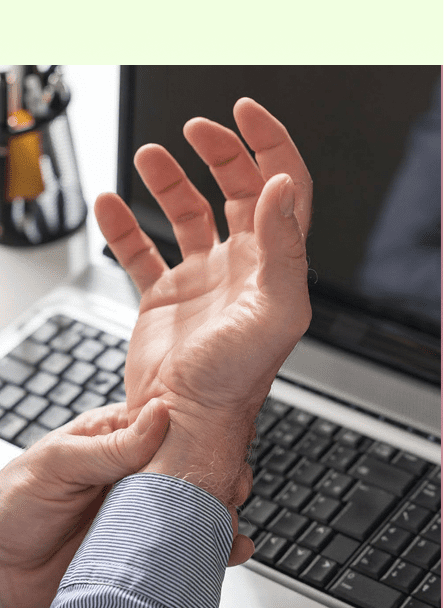
Cervical spondylosis is age-related degenerative wear of the cervical spine — the vertebrae, discs, and joints of the neck. As discs lose height and bone spurs develop, the space for nerve roots narrows, causing a range of symptoms: persistent neck pain and stiffness, reduced neck movement, radiating pain into the shoulder and arm, numbness or tingling in the fingers, and headaches that begin at the base of the skull. The explosion in screen time and remote work has made cervical spondylosis increasingly common in patients well below 40 — and it is highly treatable with the right physiotherapy approach.
Our physiotherapy programme for cervical spondylosis uses a combination of cervical manual therapy (Maitland and Mulligan techniques, in which our team is specially trained), postural correction, cervical traction, targeted neck strengthening exercises, ergonomic assessment, and electrotherapy for acute pain management. We address both the mechanical compression causing symptoms and the postural habits that perpetuate it — providing lasting relief rather than temporary pain management.
Symptom Improvement
Required in Most Cases
Faster Recovery vs Rest Alone
Every recovery journey is different.
Here is what our patients say about their experience at New Age Rehab.
Posted on GoogleTrustindex verifies that the original source of the review is Google. I had my shoulder treatment at New Age Home Physio with Dr. Junaid, and the experience was excellent. He carefully assessed my condition and created a personalized treatment plan. I noticed significant improvement in my pain and movement within a few sessions. Highly professional and highly recommended! The sessions were well-structured and very comfortable, and he patiently explained every step of the therapy. I truly appreciate the care and dedication shown throughout my recovery process.Posted on GoogleTrustindex verifies that the original source of the review is Google. Dr Sharma's team is very helpful and courteous. Thank you for your efforts to trying to get me going.🙏Posted on GoogleTrustindex verifies that the original source of the review is Google. I had a very good treatment at New Age Physiotherapy Centre, Uday Park. Dr. Junaid Ansari is an excellent physiotherapist—highly knowledgeable, well-behaved, and very professional. He is extremely caring and attentive towards his patients and explains the treatment clearly. I felt comfortable and satisfied throughout my sessions. His approach to patient care is truly commendable. I would highly recommend this centre to anyone looking for quality physiotherapy treatment. I am very thankful to Dr. Rahul Sharma for suggesting the right treatment for me. His guidance was clear and reassuring, and the entire treatment process went very smoothly.I truly appreciate his support and care. My thanks to Dr. Anam & other staff.My sincere thanks to Dr Junaid who was my physiotherapy doctor. Thank you very much for your guidance & therapy.Posted on GoogleTrustindex verifies that the original source of the review is Google. The Physio clinic centre is an excellent centre . They attend very promptly. I am extremely satisfied with my progress especially after my lung cancer where Anam Siddiqui has been very professional in her work and helped me to recover . I am playing my tennis now . Cdr Ravi Inder singhPosted on GoogleTrustindex verifies that the original source of the review is Google. A lot of care! And it’s good to have a qualified and patient doctor around, Dr Rahul Sharma. His team is also good!Posted on GoogleTrustindex verifies that the original source of the review is Google. Had gone for a hamstring pull and issues with knees and Dr Junaid and Dr Rahul helped overcome them within days!Posted on GoogleTrustindex verifies that the original source of the review is Google. Mr Junaid Ansari one of the best professional and work oriented person from this clinic. I took session from him and now can walk and move easily. He has the very good knowledge of each ligaments and doing treatment by physi accordingly. Now I am able to do walk and inflammation has been reduced. Thankyou for the guidance and therapy.
Have questions about Cervical Spondylosis treatment? Here are the most common queries — to help you understand what to expect and how physiotherapy can help.
The structural changes in the spine — disc degeneration and bone spurs — are permanent. However, the pain and symptoms caused by cervical spondylosis are highly manageable with physiotherapy. Most patients achieve excellent pain control and full functional recovery, returning to all normal activities.
Yes — when performed by a trained physiotherapist. Manual therapy techniques such as Maitland mobilisation are gentle, graded, and specifically designed for degenerative cervical conditions. Our team is trained in advanced cervical manual therapy techniques.
Most patients experience significant pain reduction within 4–6 weeks. Full functional improvement — including posture correction and long-term pain prevention — typically takes 10–14 weeks of structured physiotherapy.
Cervical collars are generally not recommended for cervical spondylosis as they can weaken the neck muscles and delay recovery. Your physiotherapist will advise on posture support strategies that strengthen rather than restrict.
Yes. Cervicogenic headaches — originating from the upper cervical spine — are a recognised symptom of cervical spondylosis. They typically start at the base of the skull and radiate to the forehead, temple, or behind the eyes. Physiotherapy targeting the upper cervical joints is highly effective.
Ergonomic screen and desk setup is critical. Sleeping posture, pillow height, and car seat adjustment also significantly affect symptoms. Your physiotherapist will provide a personalised ergonomic guide based on your daily routine.
Discover treatments that support your recovery and improve overall movement and function.
Select Your Nearest Centre
No surgery needed. 94.2% of our patients recover with a plan built just for them.
Select Your Nearest Centre