Breathe Better. Build Strength. Regain Confidence.
Specialist cardiac and pulmonary physiotherapy designed to restore heart and lung function, rebuild exercise tolerance, and help you return to an active, confident life after cardiac surgery or pulmonary conditions.
Cardiac Rehab Programme
Premier
Delivery Available
Inpatient & Outpatient
Clinical Protocols
Evidence-Based
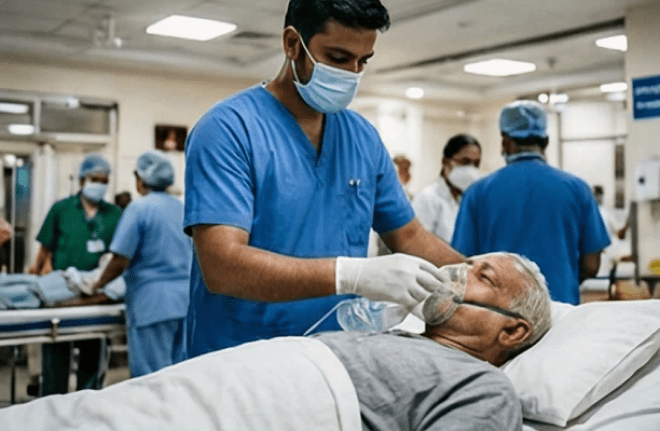
Struggling to Regain Strength or Breathe Freely After a Cardiac Event?
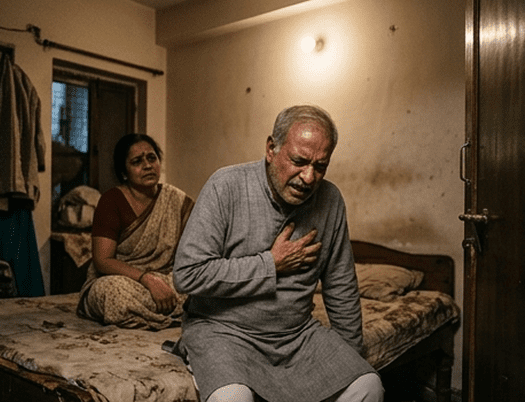
A cardiac event or diagnosis — heart attack, bypass surgery, valve replacement, LVAD, or a chronic condition like COPD — can be physically and psychologically devastating. Patients are often discharged from hospital feeling weak, breathless, and afraid to exert themselves for fear of another event. Activity avoidance leads to rapid deconditioning — making the breathlessness and weakness worse over time, not better. Structured cardiac and pulmonary rehabilitation reverses this cycle: progressively and safely rebuilding cardiovascular fitness, breathing capacity, and the confidence to be physically active again.
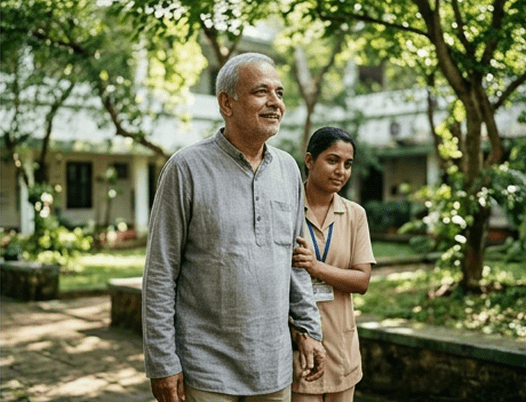
What is Cardiopulmonary Physiotherapy?
Our cardiopulmonary rehabilitation programme — one of the most advanced in North India — is delivered across phases that align with the standard cardiac rehabilitation framework: Phase 1 (in-hospital mobilisation and education), Phase 2 (outpatient early recovery and exercise), and Phase 3 (supervised exercise maintenance and long-term management). For pulmonary conditions such as COPD, we use breathing re-education, bronchial hygiene techniques, respiratory muscle training, and graded aerobic conditioning. All sessions are monitored for heart rate, oxygen saturation, and perceived exertion — ensuring safety at every step.
Benefits of Treatment
Experience the advantages of targeted physiotherapy — designed to reduce pain, improve movement, and support long-term recovery.
Rebuilds Cardiovascular Fitness
Graded aerobic exercise — supervised and monitored — progressively rebuilds the cardiovascular endurance that is significantly reduced after cardiac events and surgery.
Improves Breathing Efficiency
Diaphragmatic breathing training, breathing retraining exercises, and respiratory muscle strengthening improve breathing mechanics — reducing breathlessness in daily activity.
Reduces Risk of Future Cardiac Events
Structured cardiac rehabilitation reduces mortality and recurrence risk after heart attack and CABG — one of the most evidence-supported medical interventions in existence.
Clears Chest Secretions in COPD
Airway clearance techniques — active cycle of breathing, postural drainage, and percussion — help COPD patients clear chest secretions, reducing infection risk and improving lung function.
Restores Confidence and Independence
Progressive exercise therapy — in a supervised, monitored environment — rebuilds the patient’s confidence in their body’s ability to handle physical activity safely.
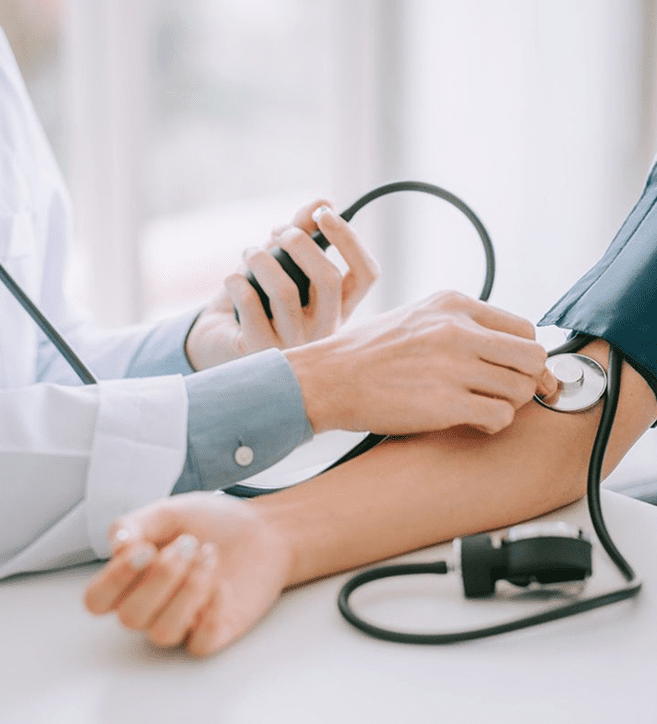
Real Recovery Stories
Every recovery journey is different. Here is what our patients say about their experience at New Age Rehab.
Posted on GoogleTrustindex verifies that the original source of the review is Google. I had my shoulder treatment at New Age Home Physio with Dr. Junaid, and the experience was excellent. He carefully assessed my condition and created a personalized treatment plan. I noticed significant improvement in my pain and movement within a few sessions. Highly professional and highly recommended! The sessions were well-structured and very comfortable, and he patiently explained every step of the therapy. I truly appreciate the care and dedication shown throughout my recovery process.Posted on GoogleTrustindex verifies that the original source of the review is Google. Dr Sharma's team is very helpful and courteous. Thank you for your efforts to trying to get me going.🙏Posted on GoogleTrustindex verifies that the original source of the review is Google. I had a very good treatment at New Age Physiotherapy Centre, Uday Park. Dr. Junaid Ansari is an excellent physiotherapist—highly knowledgeable, well-behaved, and very professional. He is extremely caring and attentive towards his patients and explains the treatment clearly. I felt comfortable and satisfied throughout my sessions. His approach to patient care is truly commendable. I would highly recommend this centre to anyone looking for quality physiotherapy treatment. I am very thankful to Dr. Rahul Sharma for suggesting the right treatment for me. His guidance was clear and reassuring, and the entire treatment process went very smoothly.I truly appreciate his support and care. My thanks to Dr. Anam & other staff.My sincere thanks to Dr Junaid who was my physiotherapy doctor. Thank you very much for your guidance & therapy.Posted on GoogleTrustindex verifies that the original source of the review is Google. The Physio clinic centre is an excellent centre . They attend very promptly. I am extremely satisfied with my progress especially after my lung cancer where Anam Siddiqui has been very professional in her work and helped me to recover . I am playing my tennis now . Cdr Ravi Inder singhPosted on GoogleTrustindex verifies that the original source of the review is Google. A lot of care! And it’s good to have a qualified and patient doctor around, Dr Rahul Sharma. His team is also good!Posted on GoogleTrustindex verifies that the original source of the review is Google. Had gone for a hamstring pull and issues with knees and Dr Junaid and Dr Rahul helped overcome them within days!Posted on GoogleTrustindex verifies that the original source of the review is Google. Mr Junaid Ansari one of the best professional and work oriented person from this clinic. I took session from him and now can walk and move easily. He has the very good knowledge of each ligaments and doing treatment by physi accordingly. Now I am able to do walk and inflammation has been reduced. Thankyou for the guidance and therapy.
Frequently Asked Questions
Have questions about Cardiopulmonary Conditions treatment? Here are the most common queries — to help you understand what to expect and how physiotherapy can help.
When should cardiac rehabilitation start after bypass surgery?
Cardiac rehabilitation typically begins in-hospital within 1–2 days of CABG. Outpatient Phase 2 rehabilitation begins 2–4 weeks after discharge, once the surgical wound has healed sufficiently. Early starting is associated with significantly better long-term outcomes.
Is exercise safe after a heart attack or bypass surgery?
Yes — when supervised. Exercise is not only safe but is the cornerstone of cardiac rehabilitation. All exercise in our programme is monitored for heart rate, blood pressure, and oxygen saturation, with intensity carefully controlled to stay within safe limits for your cardiac status.
Can physiotherapy help with COPD?
Yes. Pulmonary rehabilitation — including breathing exercises, airway clearance techniques, and graded aerobic exercise — is the most effective non-pharmacological intervention for COPD. It improves exercise tolerance, reduces breathlessness, decreases hospital admissions, and significantly improves quality of life.
Do I need a referral from my cardiologist for cardiac rehabilitation?
We strongly recommend coordinating with your cardiologist, and we will request your discharge summary to understand your specific cardiac status and any exercise restrictions. You can book directly, and we will align our programme with your cardiologist’s guidance.
How long does cardiac rehabilitation take?
Phase 2 outpatient cardiac rehabilitation typically lasts 8–12 weeks with 2–3 sessions per week. Phase 3 maintenance is ongoing. COPD pulmonary rehabilitation programmes typically run for 8 weeks, with long-term maintenance exercises continued at home.
What is the Advanced Residential Neuro-Rehabilitation programme at New Age Rehab?
Our residential rehabilitation programme — available at our Faridabad and Rohtak centres — provides intensive, immersive physiotherapy for patients requiring daily supervised rehabilitation but unable to commute. Accommodation, meals, and dedicated physiotherapy are provided. This is particularly suitable for out-of-town patients requiring intensive cardiac or neurological rehabilitation.
Explore Related Treatments
Explore related treatment options that can further improve your recovery, mobility, and overall wellbeing.