4 min read
What is a Slip Disc?
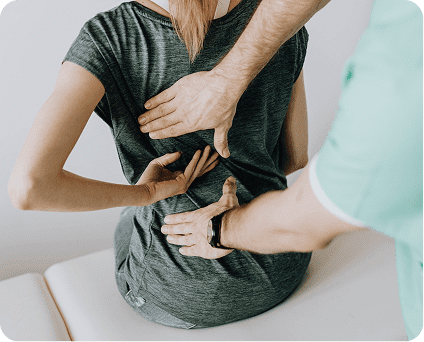
A slip disc — medically called a herniated or prolapsed disc (PIVD) — occurs when the soft, gel-like inner material of an intervertebral disc pushes through a tear in the tougher outer ring. This can press on the nerves of the spinal cord, causing pain, numbness, or a shooting sensation that travels from the lower back down into the leg (sciatica) or from the neck down the arm. It is one of the most common causes of back pain in India, affecting working adults between the ages of 30 and 55 — particularly those with sedentary desk jobs, poor posture, or a history of heavy lifting.
Why Proper Care Matters
Many patients with a slip disc instinctively rest completely — avoiding all movement. This is rarely the right approach. Prolonged rest leads to muscle wasting, increased stiffness, and slower recovery. The right physiotherapy-guided exercises maintain spinal mobility, reduce pressure on the affected disc, and rebuild the core strength that protects the spine long term.
Early physiotherapy significantly speeds up recovery and prevents the condition from becoming chronic
Wrong posture and movement habits — such as bending forward repeatedly — increase disc pressure and worsen symptoms
Guided exercises under a physiotherapist are far more effective than random stretches found online
Simple Steps Toward Relief
Managing a slip disc does not always require complex procedures or surgery. Small, consistent actions — performed correctly and progressively — can bring noticeable, lasting relief over time.
- Gentle stretching to reduce stiffness and restore the movement that the disc irritation has restricted
- Strengthening the deep core muscles — particularly the transverse abdominis and multifidus — to support and offload the spine
- Maintaining correct posture throughout the day — particularly in seated and standing positions that increase disc pressure
- Taking regular breaks from sustained sitting: every 30–40 minutes, stand, stretch briefly, and change position
Exercises That Support Healing
The following exercises are commonly prescribed by physiotherapists for slip disc recovery. They should always be performed slowly and with proper form. Stop immediately if any exercise increases leg pain or numbness — this is a signal to consult your physiotherapist.
- Pelvic tilts: Lie on your back, knees bent, feet flat. Gently press your lower back into the floor by engaging your abdominals. Hold 5–10 seconds, release. Strengthens the core and reduces lumbar pressure
- Knee-to-chest stretch: Lie on your back. Gently draw one knee toward your chest and hold for 20–30 seconds. Relieves tension in the lower back and reduces nerve root irritation
- Cat-cow movements: On all fours, alternate between arching your back upward (cat) and letting it sag gently (cow). Improves spinal flexibility and reduces stiffness
- Bird-dog: From all fours, extend one arm and the opposite leg simultaneously while keeping the core engaged. Builds spinal stability without disc compression
- McKenzie press-ups (extension in lying): Lie face down, hands under shoulders. Gently press your upper body up while your hips remain on the floor. Most effective for posterolateral disc herniations — check with your physiotherapist before beginning
When to Seek Professional Help
Mild to moderate slip disc symptoms can often be managed effectively with guided physiotherapy and home exercises. However, some symptoms require prompt professional assessment — do not delay if you experience any of the following:
- Severe or rapidly worsening pain that is not relieved by rest or position change
- Numbness or tingling spreading into the leg, foot, or groin area
- Difficulty standing, walking, or bearing weight on one leg
- Bladder or bowel changes — these require immediate medical attention
- Pain that has persisted for more than 4–6 weeks without improvement despite exercises
Your awareness of the condition and commitment to guided recovery makes a meaningful difference. A slip disc does not mean a lifetime of pain — with the right physiotherapy approach, the vast majority of patients recover fully and return to normal activity.