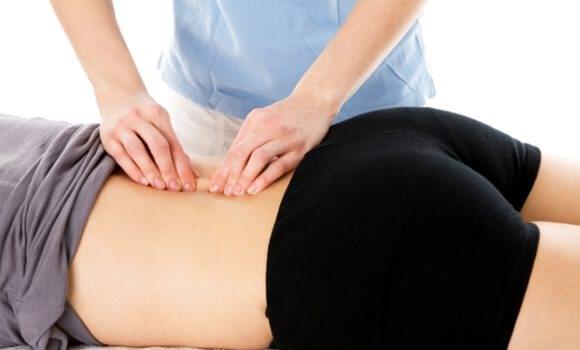
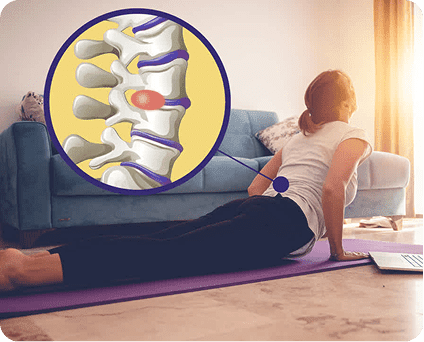
Recover from Surgery with Confidence and Structure.
Structured, protocol-driven post-operative physiotherapy designed to protect your surgical repair, restore strength and mobility, and return you to full function after surgery — safely and progressively.
Evidence-Based Recovery
Protocol-Driven
Faster Recovery VS Rest
2-3X
Sport- Specific
Full Function
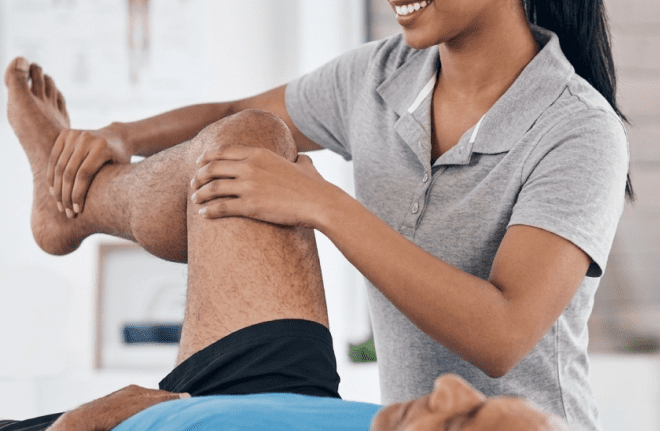
Struggling to Recover After Surgery Without Clear Guidance?
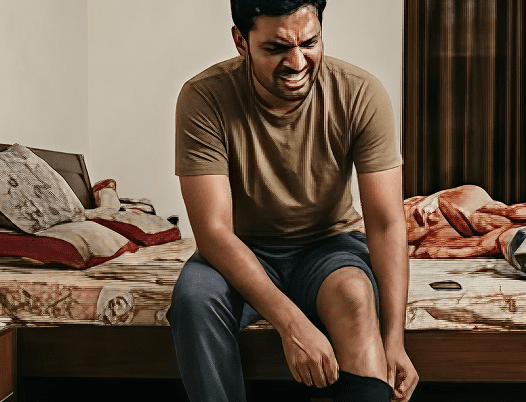
Surgery is the beginning of your recovery journey — not the end. Without structured physiotherapy, the weeks and months after an operation can be frustrating: stiffness that limits movement, weakness in the surrounding muscles, scar tissue that restricts function, and uncertainty about how much to push versus when to rest. Many patients discharged after knee replacement, hip surgery, spine surgery, or cardiac procedures are given basic exercise sheets without the supervised, progressive guidance needed for complete recovery. Post-operative physiotherapy fills this gap — and significantly determines the quality of your long-term surgical outcome.
What is Post-Operative Rehabilitation?
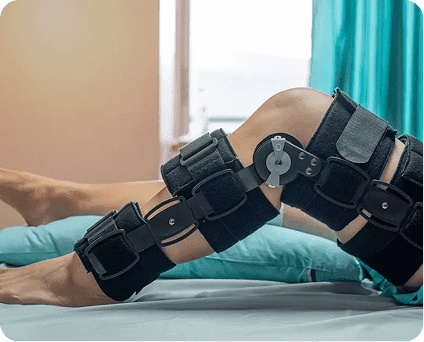
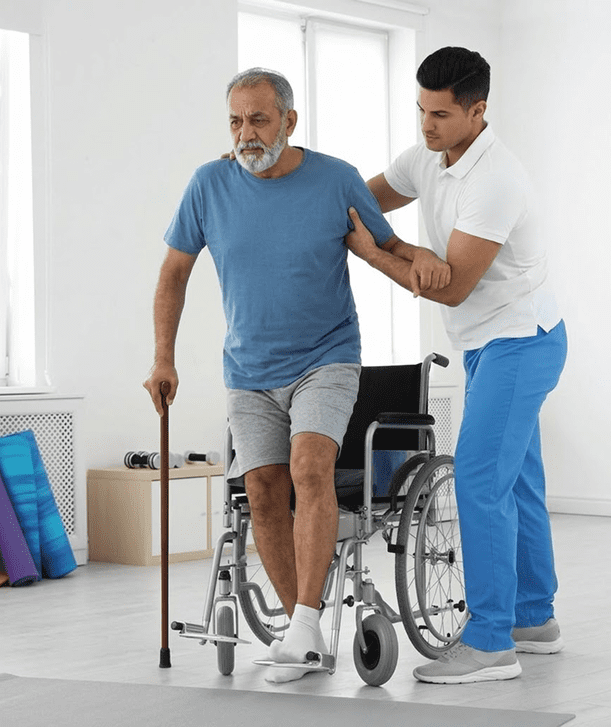
Post-operative physiotherapy follows evidence-based, surgery-specific recovery protocols — designed in alignment with your surgeon's guidelines. In the early phase, we focus on managing swelling, restoring range of motion, and preventing complications such as stiffness, DVT, and muscle wasting. In the intermediate phase, we build strength, joint stability, and functional movement patterns. In the return-to-activity phase, we restore the full range of daily activities, work demands, and sport or recreational activities — with objective outcome measures at every milestone.
Benefits of Treatment
Experience the advantages of targeted physiotherapy — designed to reduce pain, improve movement, and support long-term recovery.
Protects the Surgical Repair
Surgery-specific protocols ensure that all post-operative exercises are appropriate for your stage of healing — protecting the repair from early re-injury or complication.
Reduces Swelling and Post-Op Pain
Lymphatic drainage techniques, cryotherapy, and controlled compression reduce post-surgical swelling — improving comfort and accelerating the progression to active rehabilitation.
Restores Range of Motion
Graded joint mobilisation and stretching prevent the post-surgical stiffness and scar tissue adhesions that limit long-term movement — particularly critical after knee and shoulder surgery.
Rebuilds Muscle Strength
Progressive strengthening from early isometric exercises to full functional loading rebuilds the muscular support around your surgery site — critical for long-term stability and function
Clears You for Full Activity
Objective clinical milestones — strength ratios, range of motion benchmarks, functional movement tests — determine when you are genuinely ready to return to work, driving, sport, and daily life.
Real Recovery Stories
Every recovery journey is different. Here is what our patients say about their experience at New Age Rehab.
Posted on GoogleTrustindex verifies that the original source of the review is Google. I had my shoulder treatment at New Age Home Physio with Dr. Junaid, and the experience was excellent. He carefully assessed my condition and created a personalized treatment plan. I noticed significant improvement in my pain and movement within a few sessions. Highly professional and highly recommended! The sessions were well-structured and very comfortable, and he patiently explained every step of the therapy. I truly appreciate the care and dedication shown throughout my recovery process.Posted on GoogleTrustindex verifies that the original source of the review is Google. Dr Sharma's team is very helpful and courteous. Thank you for your efforts to trying to get me going.🙏Posted on GoogleTrustindex verifies that the original source of the review is Google. I had a very good treatment at New Age Physiotherapy Centre, Uday Park. Dr. Junaid Ansari is an excellent physiotherapist—highly knowledgeable, well-behaved, and very professional. He is extremely caring and attentive towards his patients and explains the treatment clearly. I felt comfortable and satisfied throughout my sessions. His approach to patient care is truly commendable. I would highly recommend this centre to anyone looking for quality physiotherapy treatment. I am very thankful to Dr. Rahul Sharma for suggesting the right treatment for me. His guidance was clear and reassuring, and the entire treatment process went very smoothly.I truly appreciate his support and care. My thanks to Dr. Anam & other staff.My sincere thanks to Dr Junaid who was my physiotherapy doctor. Thank you very much for your guidance & therapy.Posted on GoogleTrustindex verifies that the original source of the review is Google. The Physio clinic centre is an excellent centre . They attend very promptly. I am extremely satisfied with my progress especially after my lung cancer where Anam Siddiqui has been very professional in her work and helped me to recover . I am playing my tennis now . Cdr Ravi Inder singhPosted on GoogleTrustindex verifies that the original source of the review is Google. A lot of care! And it’s good to have a qualified and patient doctor around, Dr Rahul Sharma. His team is also good!Posted on GoogleTrustindex verifies that the original source of the review is Google. Had gone for a hamstring pull and issues with knees and Dr Junaid and Dr Rahul helped overcome them within days!Posted on GoogleTrustindex verifies that the original source of the review is Google. Mr Junaid Ansari one of the best professional and work oriented person from this clinic. I took session from him and now can walk and move easily. He has the very good knowledge of each ligaments and doing treatment by physi accordingly. Now I am able to do walk and inflammation has been reduced. Thankyou for the guidance and therapy.
Frequently Asked Questions
Have questions about Post-Operative Rehabilitation treatment? Here are the most common queries — to help you understand what to expect and how physiotherapy can help.
When should I start physiotherapy after surgery?
This depends on your specific surgery and surgeon’s protocol. After most orthopaedic surgeries — knee replacement, hip replacement, ACL reconstruction — physiotherapy begins within 24–48 hours of the operation. After spinal and cardiac surgeries, physiotherapy begins in the hospital. Contact us as soon as you know your surgery date and we will coordinate with your surgeon’s team.
How long does post-operative physiotherapy take?
Recovery timelines vary by surgery: knee replacement typically requires 3–6 months; ACL reconstruction 9–12 months for return to sport; hip replacement 3–4 months; spinal surgery 3–6 months; cardiac surgery 3–4 months for cardiac rehabilitation. Your physiotherapist will provide a realistic timeline at the first assessment.
Can physiotherapy help with scar tissue after surgery?
Yes. Scar tissue mobilisation — including soft tissue massage, friction techniques, and progressive stretching — prevents adhesion formation and restores the flexibility needed for full range of motion. Starting early produces the best outcomes.
Do I need a referral from my surgeon?
Not necessarily, but we coordinate closely with your surgeon. We request your surgical discharge notes to understand the specific procedure performed and any post-operative restrictions. If you have your discharge summary, bring it to your first session.
What happens if I don't do physiotherapy after surgery?
Without structured physiotherapy, common outcomes include: persistent joint stiffness, muscle wasting, poor surgical outcome, prolonged pain, and significantly lower functional recovery. Research consistently shows that patients who complete post-operative physiotherapy have substantially better long-term outcomes than those who do not.
Do you provide home visits for post-operative patients?
Yes — for patients who are unable to travel immediately after surgery (particularly after knee and hip replacement), we provide home physiotherapy visits in the early post-operative phase, transitioning to clinic-based sessions as mobility improves.
Explore Related Treatments
Explore related treatment options that can further improve your recovery, mobility, and overall wellbeing.