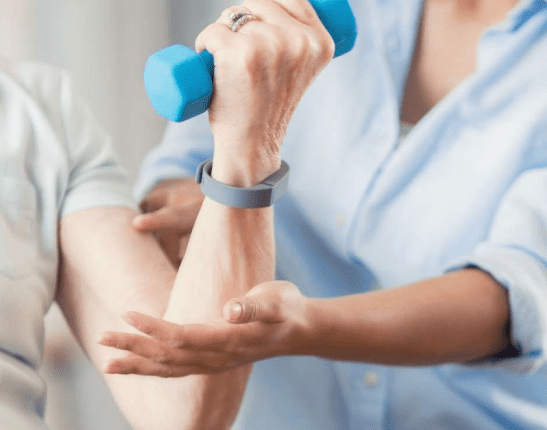
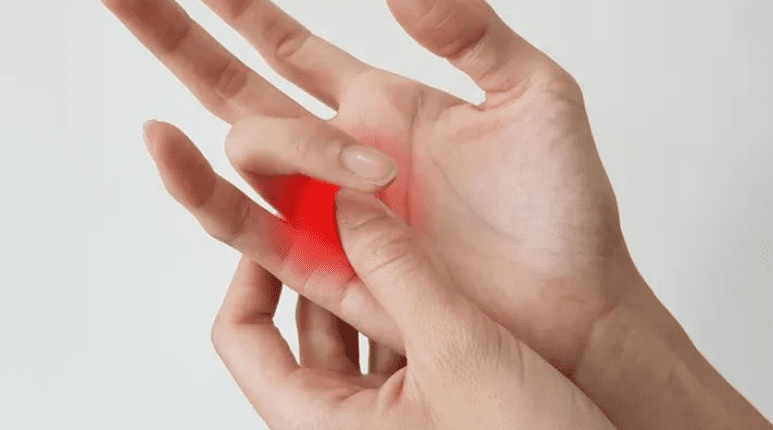
Targeted physiotherapy for medial epicondylitis — easing inner elbow pain, rebuilding forearm flexibility and grip strength, and helping you return to work and sport without restriction.
Our physiotherapy programme addresses the damaged flexor-pronator tendon at the medial epicondyle through a structured progression of manual therapy, graduated eccentric exercises, electrotherapy, and movement retraining. Unlike rest alone — which slows recovery — our active approach stimulates tendon healing while protecting the joint from further strain. We also address muscle imbalances in the shoulder and wrist that contribute to overloading the medial elbow.
Pain Relief Rate
Average Recovery
Faster Healing vs Rest
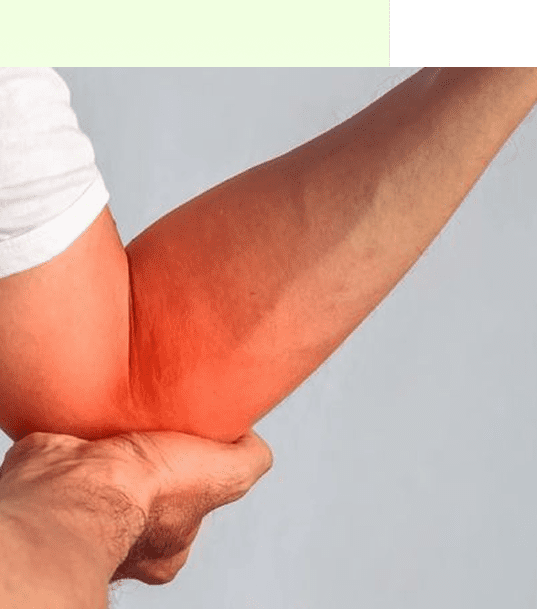
Golfer's elbow — medial epicondylitis — is an overuse injury of the tendons that attach the forearm flexor muscles to the inner side of the elbow. Like tennis elbow, it is rarely caused by golf. Repetitive wrist flexion, forehand throwing, carrying heavy bags, or sustained gripping movements are common triggers. Patients experience a deep aching pain on the inside of the elbow that worsens with gripping, wrist flexion, or shaking hands — along with stiffness and tenderness to the touch. It can affect everything from lifting a briefcase to squeezing a water bottle.
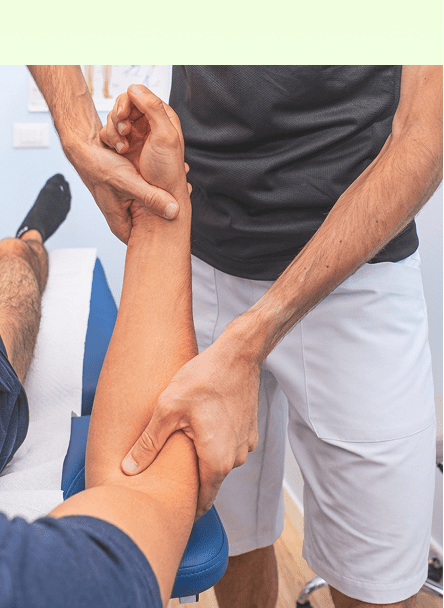
Designed to reduce pain, restore mobility, and improve your quality of life — with a programme built around your specific condition and recovery goals.
Targeted manual therapy and ultrasound reduce tendon inflammation and ease the persistent aching pain on the inside of the elbow.
Progressive forearm strengthening exercises rebuild flexor tendon strength — restoring a firm, pain-free grip for daily and occupational tasks.
Stretching and joint mobilisation techniques restore full forearm range of motion and reduce the morning stiffness that limits early activity.
We identify the specific movement patterns or ergonomic habits causing the overuse — and correct them so the condition resolves fully and does not recur.
Sport-specific or occupation-specific rehabilitation ensures you return to your activity confidently, with proper technique and tendon resilience.
Every recovery journey is different.
Here is what our patients say about their experience at New Age Rehab.
Posted on GoogleTrustindex verifies that the original source of the review is Google. I had my shoulder treatment at New Age Home Physio with Dr. Junaid, and the experience was excellent. He carefully assessed my condition and created a personalized treatment plan. I noticed significant improvement in my pain and movement within a few sessions. Highly professional and highly recommended! The sessions were well-structured and very comfortable, and he patiently explained every step of the therapy. I truly appreciate the care and dedication shown throughout my recovery process.Posted on GoogleTrustindex verifies that the original source of the review is Google. Dr Sharma's team is very helpful and courteous. Thank you for your efforts to trying to get me going.🙏Posted on GoogleTrustindex verifies that the original source of the review is Google. I had a very good treatment at New Age Physiotherapy Centre, Uday Park. Dr. Junaid Ansari is an excellent physiotherapist—highly knowledgeable, well-behaved, and very professional. He is extremely caring and attentive towards his patients and explains the treatment clearly. I felt comfortable and satisfied throughout my sessions. His approach to patient care is truly commendable. I would highly recommend this centre to anyone looking for quality physiotherapy treatment. I am very thankful to Dr. Rahul Sharma for suggesting the right treatment for me. His guidance was clear and reassuring, and the entire treatment process went very smoothly.I truly appreciate his support and care. My thanks to Dr. Anam & other staff.My sincere thanks to Dr Junaid who was my physiotherapy doctor. Thank you very much for your guidance & therapy.Posted on GoogleTrustindex verifies that the original source of the review is Google. The Physio clinic centre is an excellent centre . They attend very promptly. I am extremely satisfied with my progress especially after my lung cancer where Anam Siddiqui has been very professional in her work and helped me to recover . I am playing my tennis now . Cdr Ravi Inder singhPosted on GoogleTrustindex verifies that the original source of the review is Google. A lot of care! And it’s good to have a qualified and patient doctor around, Dr Rahul Sharma. His team is also good!Posted on GoogleTrustindex verifies that the original source of the review is Google. Had gone for a hamstring pull and issues with knees and Dr Junaid and Dr Rahul helped overcome them within days!Posted on GoogleTrustindex verifies that the original source of the review is Google. Mr Junaid Ansari one of the best professional and work oriented person from this clinic. I took session from him and now can walk and move easily. He has the very good knowledge of each ligaments and doing treatment by physi accordingly. Now I am able to do walk and inflammation has been reduced. Thankyou for the guidance and therapy.
Have questions about Golfer's Elbow (Medial Epicondylitis) treatment? Here are the most common queries — to help you understand what to expect and how physiotherapy can help.
They are related but different. Tennis elbow affects the outer elbow (lateral epicondyle) and involves the extensor muscles. Golfer’s elbow affects the inner elbow (medial epicondyle) and involves the flexor muscles. Both are overuse tendon injuries, but each requires a distinct rehabilitation approach.
With consistent physiotherapy, most patients see significant improvement within 6–8 weeks. Chronic cases — where pain has persisted for more than 3 months — may take 10–14 weeks. Returning to sport or heavy manual work typically takes 10–12 weeks.
Yes, with appropriate modifications. Your physiotherapist will advise on ergonomic adjustments, grip technique corrections, and specific activity limits that allow you to continue working while the tendon heals.
Repetitive wrist flexion, forearm pronation, or sustained gripping movements are the most common causes — in golfers, cricketers, tennis players, climbers, carpenters, plumbers, and office workers who type with poor wrist posture.
Steroid injections provide short-term pain relief but do not address the tendon degeneration causing the condition. Research shows physiotherapy produces significantly better long-term outcomes. We recommend trying a full physiotherapy course before considering injection.
Yes. The pain can radiate into the forearm and sometimes the wrist and ring finger. Numbness or tingling may also occur if the ulnar nerve is irritated alongside the tendon injury — your physiotherapist will screen for this during assessment.
Discover treatments that support your recovery and improve overall movement and function.
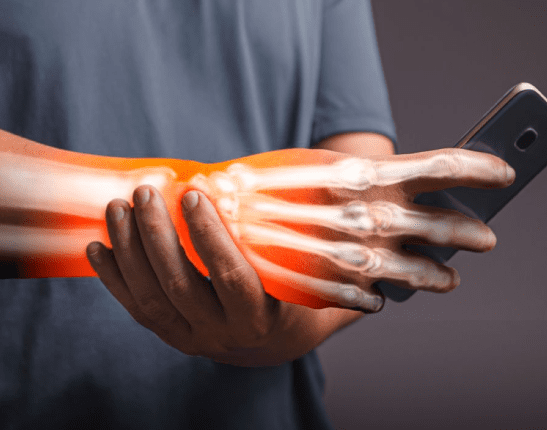
Relieve numbness and wrist pain caused by median nerve compression.
Select Your Nearest Centre
No surgery needed. 94.2% of our patients recover with a plan built just for them.
Select Your Nearest Centre