Recover Faster.
Perform Better.
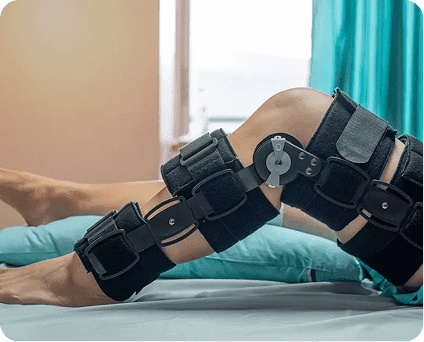
Specialist sports injury physiotherapy designed to get you back to full performance — with evidence-based treatment protocols, targeted rehabilitation, and a structured return-to-sport programme.
Return to Sport
Faster Recovery VS Rest
Sport- Specific
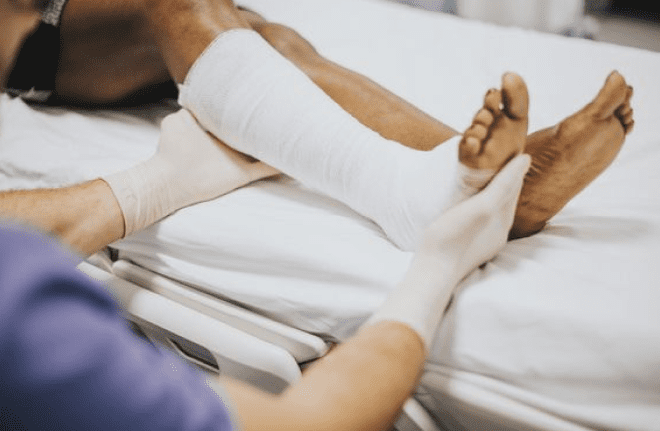
Struggling with a Sports Injury That's Stopping You from Playing?
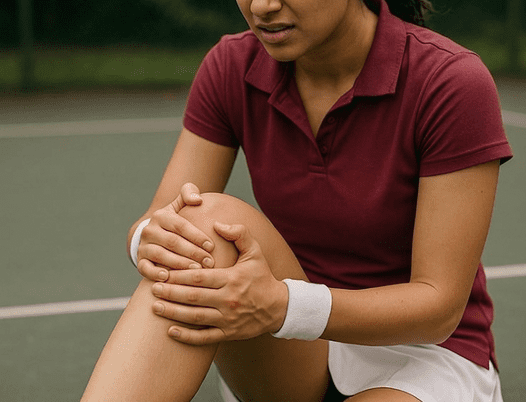
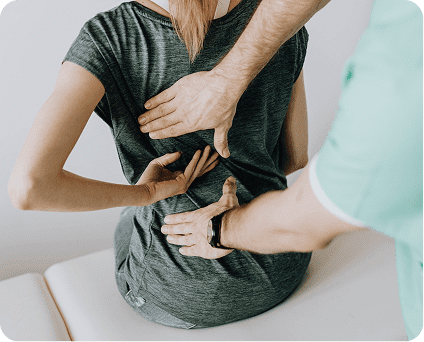
Sports injury physiotherapy combines clinical assessment, manual therapy, progressive exercise rehabilitation, sport-specific conditioning, and biomechanical correction to achieve full tissue healing and return to performance. We treat acute injuries — where speed of recovery is critical — and chronic overuse injuries, where the root mechanical cause must be identified and corrected. Our return-to-sport protocols are structured and evidence-based, with clear milestones at each stage of recovery to prevent premature return and re-injury.
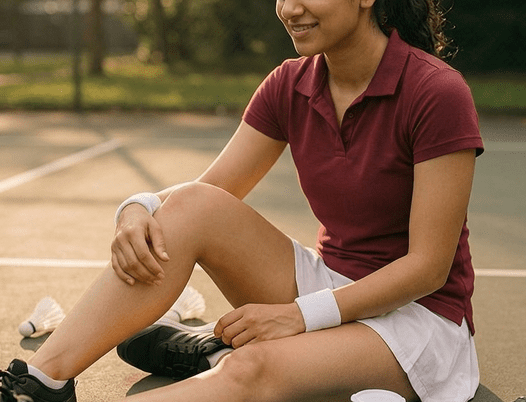
What is Sports Injury Physiotherapy?
Sports injury physiotherapy combines clinical assessment, manual therapy, progressive exercise rehabilitation, sport-specific conditioning, and biomechanical correction to achieve full tissue healing and return to performance. We treat acute injuries — where speed of recovery is critical — and chronic overuse injuries, where the root mechanical cause must be identified and corrected. Our return-to-sport protocols are structured and evidence-based, with clear milestones at each stage of recovery to prevent premature return and re-injury.
Benefits of Treatment
Experience the advantages of targeted physiotherapy — designed to reduce pain, improve movement, and support long-term recovery.
Reduces Pain and Swelling
Targeted cryotherapy, electrotherapy, and manual techniques reduce pain and inflammation in the early acute phase — accelerating the transition to active rehabilitation.
Accelerates Tissue Healing
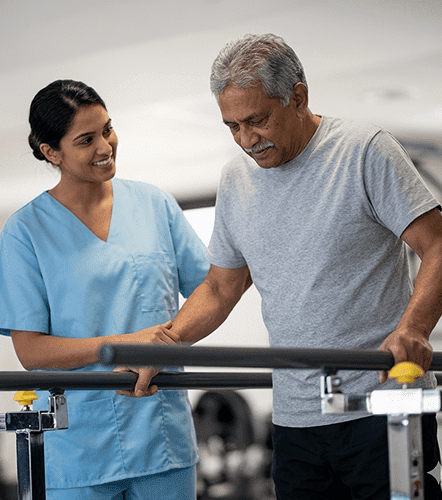
Progressive loading, specific strengthening, and tissue mobilisation techniques stimulate tendon, ligament, and muscle healing — restoring full tissue integrity faster than rest alone.
Restores Full Strength and Flexibility
Sport-specific strengthening and flexibility work restore the power, range of motion, and neuromuscular control needed for full performance — not just pain-free movement.
Corrects the Biomechanical Root Cause
We analyse the movement mechanics and biomechanical patterns that caused the injury — and correct them, so you return to sport with a significantly lower risk of re-injury.
Structured Return-to-Sport Progression
Clear, staged milestones from pain-free daily activity → sport-specific training → full competitive return — with objective criteria at each stage to ensure readiness.
Real Recovery Stories
Every recovery journey is different. Here is what our patients say about their experience at New Age Rehab.
Posted on GoogleTrustindex verifies that the original source of the review is Google. I had my shoulder treatment at New Age Home Physio with Dr. Junaid, and the experience was excellent. He carefully assessed my condition and created a personalized treatment plan. I noticed significant improvement in my pain and movement within a few sessions. Highly professional and highly recommended! The sessions were well-structured and very comfortable, and he patiently explained every step of the therapy. I truly appreciate the care and dedication shown throughout my recovery process.Posted on GoogleTrustindex verifies that the original source of the review is Google. Dr Sharma's team is very helpful and courteous. Thank you for your efforts to trying to get me going.🙏Posted on GoogleTrustindex verifies that the original source of the review is Google. I had a very good treatment at New Age Physiotherapy Centre, Uday Park. Dr. Junaid Ansari is an excellent physiotherapist—highly knowledgeable, well-behaved, and very professional. He is extremely caring and attentive towards his patients and explains the treatment clearly. I felt comfortable and satisfied throughout my sessions. His approach to patient care is truly commendable. I would highly recommend this centre to anyone looking for quality physiotherapy treatment. I am very thankful to Dr. Rahul Sharma for suggesting the right treatment for me. His guidance was clear and reassuring, and the entire treatment process went very smoothly.I truly appreciate his support and care. My thanks to Dr. Anam & other staff.My sincere thanks to Dr Junaid who was my physiotherapy doctor. Thank you very much for your guidance & therapy.Posted on GoogleTrustindex verifies that the original source of the review is Google. The Physio clinic centre is an excellent centre . They attend very promptly. I am extremely satisfied with my progress especially after my lung cancer where Anam Siddiqui has been very professional in her work and helped me to recover . I am playing my tennis now . Cdr Ravi Inder singhPosted on GoogleTrustindex verifies that the original source of the review is Google. A lot of care! And it’s good to have a qualified and patient doctor around, Dr Rahul Sharma. His team is also good!Posted on GoogleTrustindex verifies that the original source of the review is Google. Had gone for a hamstring pull and issues with knees and Dr Junaid and Dr Rahul helped overcome them within days!Posted on GoogleTrustindex verifies that the original source of the review is Google. Mr Junaid Ansari one of the best professional and work oriented person from this clinic. I took session from him and now can walk and move easily. He has the very good knowledge of each ligaments and doing treatment by physi accordingly. Now I am able to do walk and inflammation has been reduced. Thankyou for the guidance and therapy.
Frequently Asked Questions
Have questions about Sports Injuries treatment? Here are the most common queries — to help you understand what to expect and how physiotherapy can help.
How long does it take to recover from an ACL injury?
ACL rehabilitation after surgery typically takes 9–12 months for a safe return to competitive sport. Non-surgical ACL management — for partial tears — can allow return to sport in 4–6 months. The timeline depends on the severity of injury, surgical approach, and adherence to rehabilitation.
Should I rest completely after a sports injury?
In most cases, complete rest is not the optimal approach. Controlled, progressive loading — guided by a physiotherapist — accelerates healing and maintains strength and conditioning. PRICE (Protect, Rest, Ice, Compress, Elevate) applies in the first 24–48 hours; active rehabilitation should begin as soon as clinically appropriate.
Can I continue training with tendinitis?
Load management — rather than complete rest — is the recommended approach for tendinitis. You can continue modified training that does not aggravate the tendon while the physiotherapy programme rehabilitates it. Your physiotherapist will advise specifically on what training to continue, modify, and avoid.
Do you work with professional athletes?
Yes. New Age Rehab has provided physiotherapy support for sporting events including the Airtel Half Marathon Delhi and multiple team sports contexts. Our physiotherapists are experienced with both professional and recreational athletes, and design sport-specific rehabilitation programmes for every level.
Is physiotherapy better than surgery for sports injuries?
For many sports injuries — including partial ligament tears, tendinitis, rotator cuff injuries, and ankle sprains — physiotherapy achieves full recovery without surgery. Surgery is required for complete tears (such as full ACL rupture) in patients who wish to return to sport. Even after surgery, physiotherapy is the essential component of recovery.
How do I know when I'm ready to return to sport?
Return-to-sport decisions should always be based on objective clinical criteria — not just pain levels. These include: full range of motion, symmetrical strength (typically >90% compared to uninjured side), sport-specific movement tests, and psychological readiness. Your physiotherapist will assess all of these before clearing you to return.
Explore Related Treatments
Explore related treatment options that can further improve your recovery, mobility, and overall wellbeing.