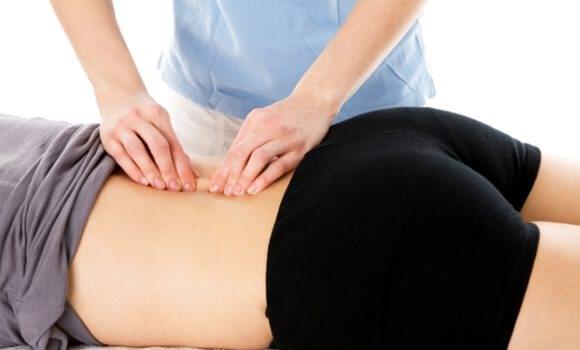
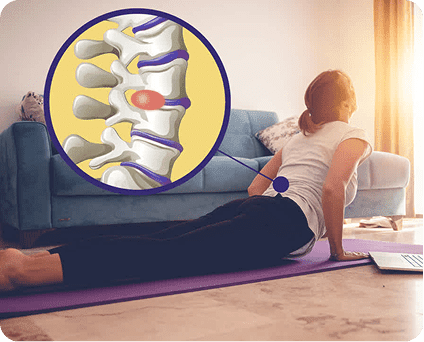
Reclaim Movement. Rebuild Independence.
Specialist neurological physiotherapy designed to restore motor function, improve coordination and balance, and rebuild independence — for patients recovering from stroke, paralysis, Parkinson's disease, cerebral palsy, and other neurological conditions.
Pain Reduction
Specialist
Recovery Protocols
Progressive
Available
Home Visits

Living with a Neurological Condition That Limits Your Movement?
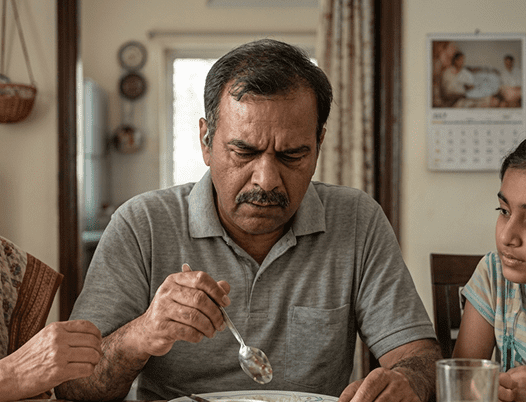
Neurological conditions — stroke, paralysis, Parkinson's disease, spinal cord injuries, cerebral palsy, Guillain-Barré syndrome — affect the brain's ability to control movement, balance, and coordination. The impact on daily life is profound: difficulty walking, talking, using the hands, or maintaining balance. Family members often take on the role of caregiver, while patients lose the independence they once had. The right neurological physiotherapy — started early and delivered consistently — can drive remarkable recovery by harnessing the brain's neuroplasticity: its ability to rewire and rebuild movement pathways even after serious injury.
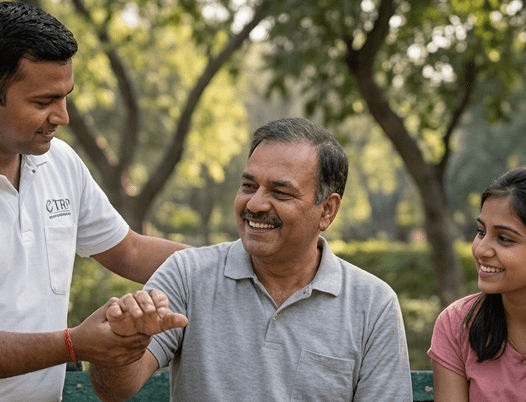
What is Neurological Physiotherapy?
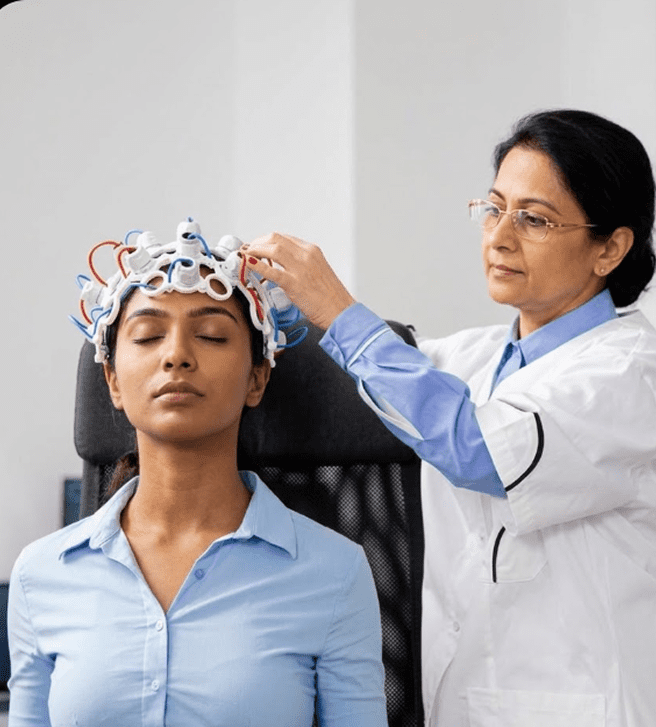
Neurological physiotherapy focuses on restoring movement and function after conditions that affect the brain, spinal cord, and peripheral nervous system. Our approach uses Bobath neuro-developmental therapy, task-specific functional training, gait re-education, balance training, spasticity management, and progressive strengthening. We work closely with families and caregivers — equipping them with home exercise programmes that ensure recovery continues between clinic sessions. Our residential neuro-rehabilitation programme at Faridabad and Rohtak provides intensive, immersive rehabilitation for patients who need structured daily therapy.
Benefits of Treatment
Experience the advantages of targeted physiotherapy — designed to reduce pain, improve movement, and support long-term recovery.
Restores Motor Function
Targeted neurological rehabilitation — using task-specific training and neuromuscular re-education — rebuilds the motor pathways that control voluntary movement in affected limbs.
Improves Balance and Coordination
Balance retraining and proprioceptive exercises reduce the risk of falls and restore the postural stability needed for safe, independent walking.
Manages Spasticity
Manual therapy and progressive stretching techniques manage muscle spasticity — reducing the rigidity and involuntary movements that limit function in stroke and spinal cord patients.
Supports Gait Rehabilitation
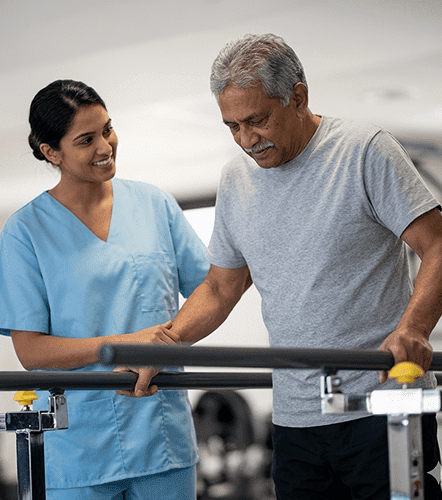
Gait re-education using parallel bars, walking aids, and progressive weight-bearing restores the walking pattern — from dependent mobility to independent ambulation.
Builds Family and Caregiver Capacity
We train families and carers in the home exercise programme, positioning techniques, and handling strategies — extending the benefit of therapy into the patient’s daily life
Real Recovery Stories
Every recovery journey is different. Here is what our patients say about their experience at New Age Rehab.
Posted on GoogleTrustindex verifies that the original source of the review is Google. I had my shoulder treatment at New Age Home Physio with Dr. Junaid, and the experience was excellent. He carefully assessed my condition and created a personalized treatment plan. I noticed significant improvement in my pain and movement within a few sessions. Highly professional and highly recommended! The sessions were well-structured and very comfortable, and he patiently explained every step of the therapy. I truly appreciate the care and dedication shown throughout my recovery process.Posted on GoogleTrustindex verifies that the original source of the review is Google. Dr Sharma's team is very helpful and courteous. Thank you for your efforts to trying to get me going.🙏Posted on GoogleTrustindex verifies that the original source of the review is Google. I had a very good treatment at New Age Physiotherapy Centre, Uday Park. Dr. Junaid Ansari is an excellent physiotherapist—highly knowledgeable, well-behaved, and very professional. He is extremely caring and attentive towards his patients and explains the treatment clearly. I felt comfortable and satisfied throughout my sessions. His approach to patient care is truly commendable. I would highly recommend this centre to anyone looking for quality physiotherapy treatment. I am very thankful to Dr. Rahul Sharma for suggesting the right treatment for me. His guidance was clear and reassuring, and the entire treatment process went very smoothly.I truly appreciate his support and care. My thanks to Dr. Anam & other staff.My sincere thanks to Dr Junaid who was my physiotherapy doctor. Thank you very much for your guidance & therapy.Posted on GoogleTrustindex verifies that the original source of the review is Google. The Physio clinic centre is an excellent centre . They attend very promptly. I am extremely satisfied with my progress especially after my lung cancer where Anam Siddiqui has been very professional in her work and helped me to recover . I am playing my tennis now . Cdr Ravi Inder singhPosted on GoogleTrustindex verifies that the original source of the review is Google. A lot of care! And it’s good to have a qualified and patient doctor around, Dr Rahul Sharma. His team is also good!Posted on GoogleTrustindex verifies that the original source of the review is Google. Had gone for a hamstring pull and issues with knees and Dr Junaid and Dr Rahul helped overcome them within days!Posted on GoogleTrustindex verifies that the original source of the review is Google. Mr Junaid Ansari one of the best professional and work oriented person from this clinic. I took session from him and now can walk and move easily. He has the very good knowledge of each ligaments and doing treatment by physi accordingly. Now I am able to do walk and inflammation has been reduced. Thankyou for the guidance and therapy.
Frequently Asked Questions
Have questions about Neurological Conditions treatment? Here are the most common queries — to help you understand what to expect and how physiotherapy can help.
Can physiotherapy help after a stroke?
Yes — neurological physiotherapy is one of the most effective interventions for stroke recovery. Starting early — ideally within weeks of the stroke — maximises neuroplasticity and significantly improves motor, balance, and functional outcomes.
How long does neurological physiotherapy take?
Neurological recovery is a long-term process. Significant functional improvement can occur over months to years with consistent rehabilitation. We provide both intensive programmes for early recovery and long-term maintenance programmes for chronic neurological conditions.
Is physiotherapy effective for Parkinson's disease?
Yes. Physiotherapy is a core component of Parkinson’s management — improving gait, balance, posture, and reducing fall risk. Regular physiotherapy significantly maintains quality of life and functional independence in Parkinson’s patients.
What is the best time to start physiotherapy after a stroke?
As early as clinically stable after the stroke — ideally within the first few weeks. The first 3–6 months offer the greatest neuroplastic window for recovery. However, meaningful improvements can still be achieved years after a stroke with consistent rehabilitation.
Do you provide home visits for neurological patients?
Yes. For patients who are unable to travel to the clinic — particularly in early stroke recovery or with severe mobility limitations — we provide home physiotherapy visits. Contact us to discuss home visit availability for your area.
Can cerebral palsy be treated with physiotherapy?
Physiotherapy cannot reverse cerebral palsy, but it is the most important intervention for maximising a child’s motor development and functional ability. Goal-oriented, functional physiotherapy — started as early as possible — significantly improves gross motor skills, mobility, and participation in daily life.
Explore Related Treatments
Explore related treatment options that can further improve your recovery, mobility, and overall wellbeing.