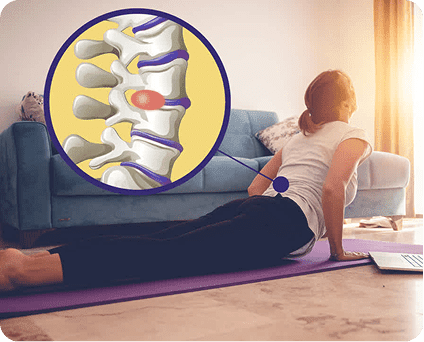
Specialist Care for Every Stage of a Woman's Health.
Dedicated physiotherapy for women's health — supporting you through pregnancy, recovery after childbirth, pelvic floor rehabilitation, and gynaecological conditions — in a safe, private, and respectful clinical environment.
Clinical Environment
Private
Women's Health Team
Specialist
Full Continuum of Care
Antenatal to Postnatal

Struggling with Pain, Weakness, or Discomfort Related to Your Reproductive Health?
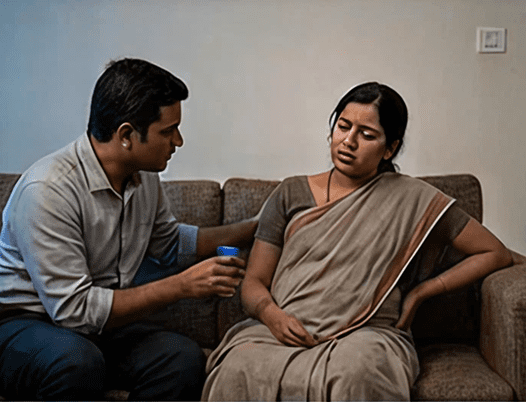
Women's bodies go through profound physical changes during pregnancy, childbirth, and the postpartum period — and many of the musculoskeletal, pelvic, and hormonal effects are undertreated. Back pain, pelvic girdle pain, and symphysis pubis dysfunction during pregnancy significantly impact quality of life. After delivery, pelvic floor weakness, stress incontinence, diastasis recti (abdominal separation), and postural changes require specific, expert rehabilitation. Conditions like stress incontinence — often dismissed as an inevitable consequence of childbirth — are highly treatable with the right pelvic floor physiotherapy approach.

What is Women's Health Physiotherapy?
Women's health physiotherapy addresses the musculoskeletal and pelvic health conditions that are specific to women across all life stages. Our programme includes: antenatal physiotherapy (back pain, pelvic girdle pain, birth preparation exercises during pregnancy), postnatal rehabilitation (pelvic floor recovery, abdominal rehabilitation, return to exercise), pelvic floor rehabilitation (for stress and urge incontinence, prolapse management, and pelvic pain), and gynaecological condition management. All sessions are conducted with full respect for privacy and dignity.
Benefits of Treatment
Experience the advantages of targeted physiotherapy — designed to reduce pain, improve movement, and support long-term recovery.
Relieves Pregnancy-Related Back and Pelvic Pain
Targeted manual therapy, exercise prescription, and support bracing relieve the back pain and pelvic girdle pain that affect a significant proportion of pregnant women — particularly in the second and third trimesters.
Prepares the Body for Childbirth
Antenatal exercises strengthen the pelvic floor, improve perineal flexibility, and optimise body positioning for labour — supporting a safer and more comfortable delivery.
Rehabilitates the Pelvic Floor After Delivery
Specific pelvic floor rehabilitation after vaginal or caesarean delivery restores muscle strength, coordination, and endurance — the foundation of bladder, bowel, and sexual function.
Treats Stress Incontinence
Structured pelvic floor muscle training is the first-line, evidence-based treatment for stress urinary incontinence — significantly more effective than general pelvic floor exercises performed without guidance.
Safely Returns You to Exercise
A structured, progressive return-to-exercise programme after childbirth — paced according to your pelvic floor’s recovery — prevents the injury and worsening of symptoms that can occur with premature high-impact exercise.

Real Recovery Stories
Every recovery journey is different. Here is what our patients say about their experience at New Age Rehab.
Posted on GoogleTrustindex verifies that the original source of the review is Google. I had my shoulder treatment at New Age Home Physio with Dr. Junaid, and the experience was excellent. He carefully assessed my condition and created a personalized treatment plan. I noticed significant improvement in my pain and movement within a few sessions. Highly professional and highly recommended! The sessions were well-structured and very comfortable, and he patiently explained every step of the therapy. I truly appreciate the care and dedication shown throughout my recovery process.Posted on GoogleTrustindex verifies that the original source of the review is Google. Dr Sharma's team is very helpful and courteous. Thank you for your efforts to trying to get me going.🙏Posted on GoogleTrustindex verifies that the original source of the review is Google. I had a very good treatment at New Age Physiotherapy Centre, Uday Park. Dr. Junaid Ansari is an excellent physiotherapist—highly knowledgeable, well-behaved, and very professional. He is extremely caring and attentive towards his patients and explains the treatment clearly. I felt comfortable and satisfied throughout my sessions. His approach to patient care is truly commendable. I would highly recommend this centre to anyone looking for quality physiotherapy treatment. I am very thankful to Dr. Rahul Sharma for suggesting the right treatment for me. His guidance was clear and reassuring, and the entire treatment process went very smoothly.I truly appreciate his support and care. My thanks to Dr. Anam & other staff.My sincere thanks to Dr Junaid who was my physiotherapy doctor. Thank you very much for your guidance & therapy.Posted on GoogleTrustindex verifies that the original source of the review is Google. The Physio clinic centre is an excellent centre . They attend very promptly. I am extremely satisfied with my progress especially after my lung cancer where Anam Siddiqui has been very professional in her work and helped me to recover . I am playing my tennis now . Cdr Ravi Inder singhPosted on GoogleTrustindex verifies that the original source of the review is Google. A lot of care! And it’s good to have a qualified and patient doctor around, Dr Rahul Sharma. His team is also good!Posted on GoogleTrustindex verifies that the original source of the review is Google. Had gone for a hamstring pull and issues with knees and Dr Junaid and Dr Rahul helped overcome them within days!Posted on GoogleTrustindex verifies that the original source of the review is Google. Mr Junaid Ansari one of the best professional and work oriented person from this clinic. I took session from him and now can walk and move easily. He has the very good knowledge of each ligaments and doing treatment by physi accordingly. Now I am able to do walk and inflammation has been reduced. Thankyou for the guidance and therapy.
Frequently Asked Questions
Have questions about Gynaecological & Obstetric Care treatment? Here are the most common queries — to help you understand what to expect and how physiotherapy can help
Is it safe to do physiotherapy during pregnancy?
Yes — physiotherapy during pregnancy is safe and highly beneficial. Antenatal physiotherapy is specifically adapted for each stage of pregnancy, focusing on pain relief, posture, and birth preparation. All exercises are appropriate for the trimester and individual condition.
When should I start pelvic floor exercises after childbirth?
Gentle pelvic floor exercises can begin within 24 hours of a vaginal delivery. After a caesarean section, gentle activation begins as soon as comfortable — typically day 1–2 post-operatively. A formal pelvic floor assessment and structured rehabilitation programme is recommended at 6–8 weeks postpartum.
Can physiotherapy treat stress incontinence?
Yes. Pelvic floor muscle training — supervised by a specialist physiotherapist — is the recommended first-line treatment for stress urinary incontinence. It is significantly more effective than home exercises alone and avoids the need for medication or surgical intervention in the majority of patients.
What is diastasis recti and can physiotherapy help?
Diastasis recti is a separation of the abdominal muscles (the rectus abdominis) that occurs during pregnancy. It can cause a visible gap or ridge down the midline, core weakness, and back pain. Specific abdominal rehabilitation — beginning with deep core activation and progressively loading the midline — is highly effective. Traditional sit-ups and crunches should be avoided until the gap closes.
Is the session conducted in private?
Absolutely. All women’s health physiotherapy sessions are conducted in a fully private clinical space, by a specialist physiotherapist. We maintain the highest standards of dignity and confidentiality throughout your treatment.
When can I return to running and high-impact exercise after childbirth?
The general recommendation is to avoid high-impact exercise (running, HIIT, jumping) for at least 3 months postpartum — and only after your pelvic floor has been assessed and cleared by a physiotherapist. Starting high-impact exercise too early is one of the most common causes of pelvic floor dysfunction and incontinence in postpartum women.
Explore Related Treatments
Explore related treatment options that can further improve your recovery, mobility, and overall wellbeing.